
The Case for Calm Computing
And the importance of letting your mind breathe.

The reality is, we’re surrounded by noise. Notifications buzzing from our phones, pings lighting up our smartwatches, and apps constantly asking for attention. Even basic tasks are buried under layers of menus and artificial gestures that have no grounding in the physical world.
More and more, people are opting out. They’re looking for focus. For flow. For control over their digital spaces. What they’re after is something called calm computing.
Calm computing is about technology that doesn’t beg for your attention. It works with you, not at you. It fades into the background, there when you need it, quiet when you don’t.
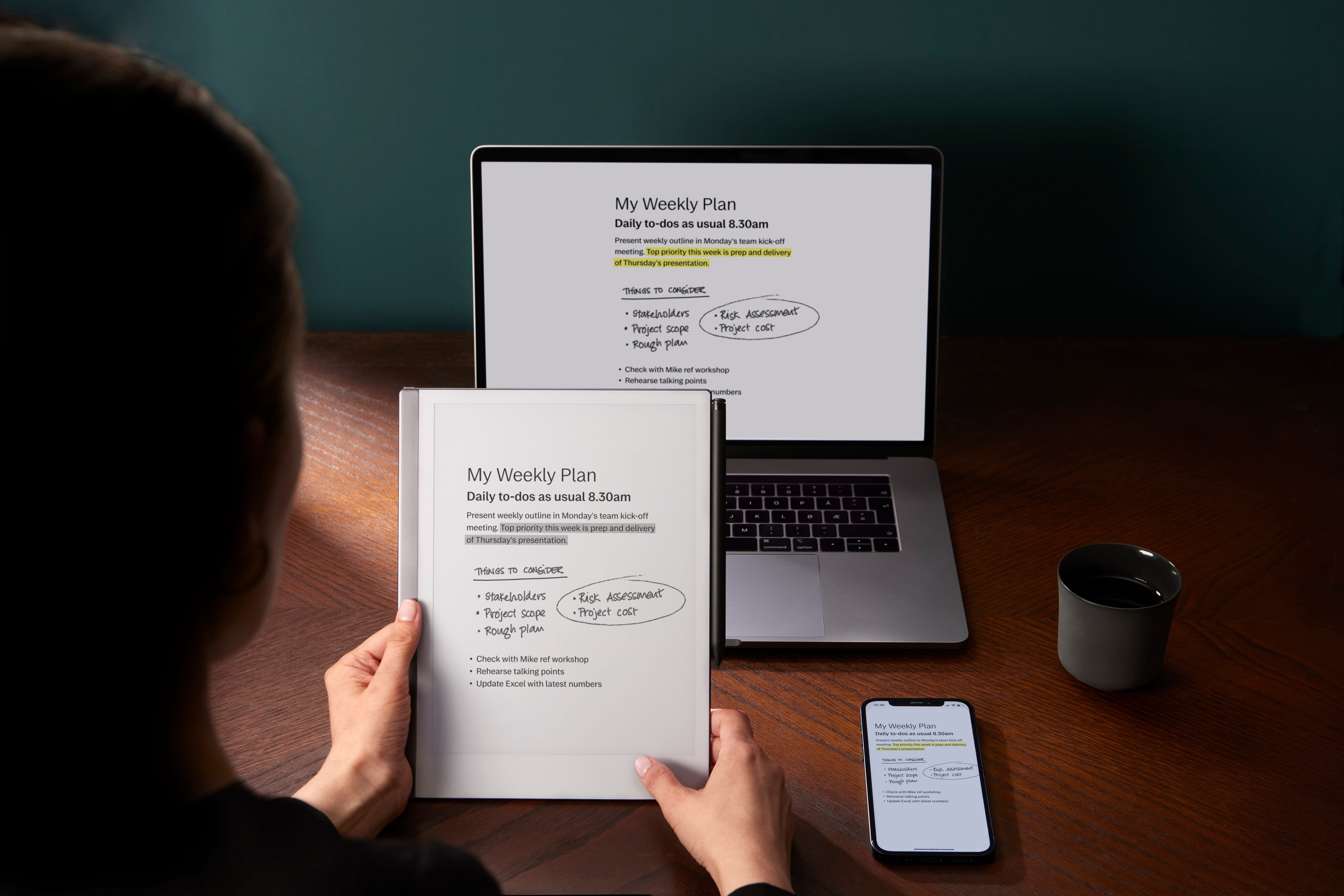
One of the best examples? The reMarkable tablet. It’s basically really smart paper. There’s no clock. No notifications. No pop-ups. It turns on instantly, and the eInk screen is easy on the eyes—even in full sun. It’s not trying to be a computer. It’s just trying to help you think, sketch, and write. And it does that beautifully.
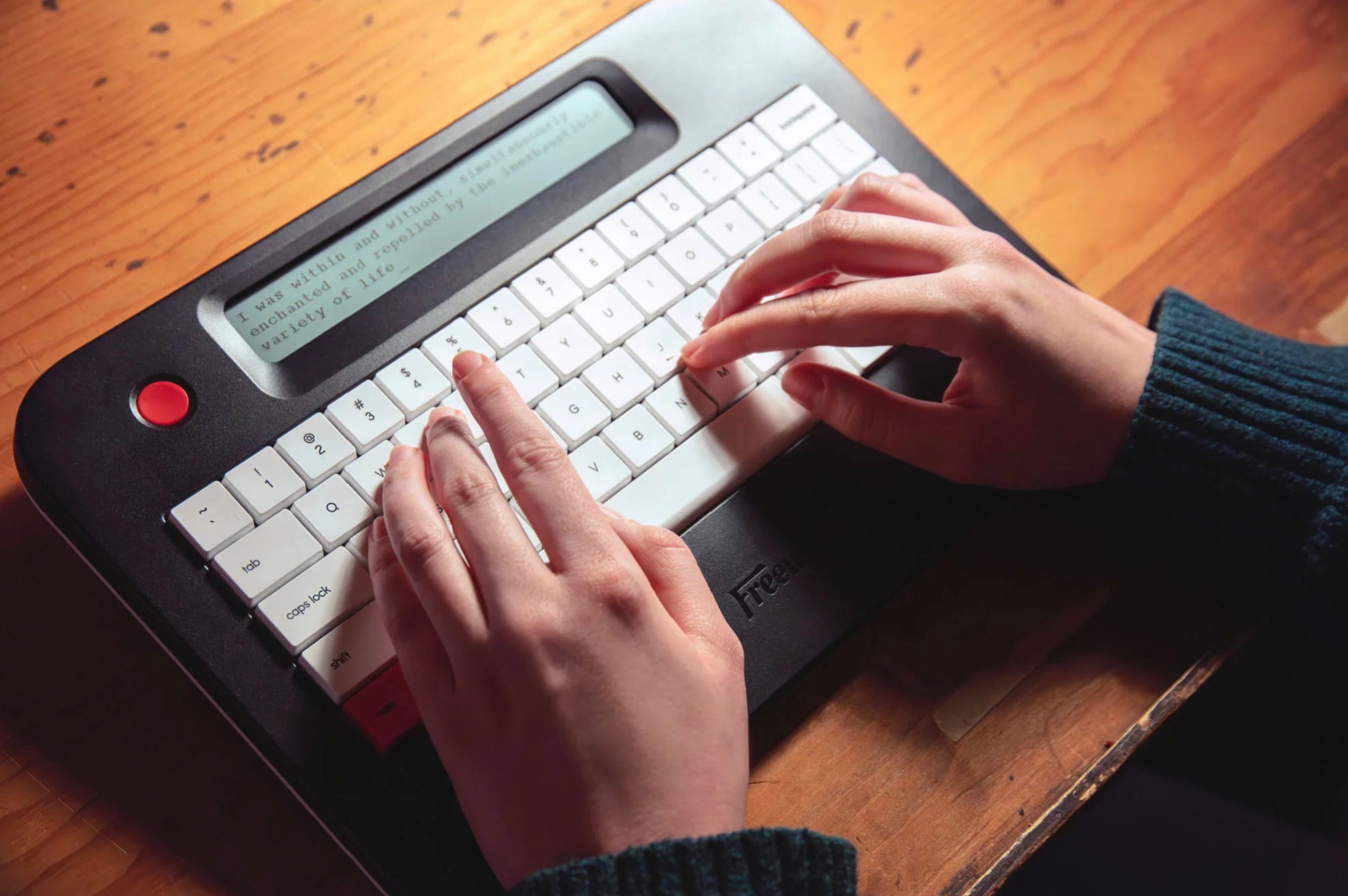
Another is the Freewrite Alpha—a modern take on the typewriter. You can’t browse the internet on it. You can’t check your email. All you can do is write. That’s the point. It’s a creative companion, not a distraction engine.
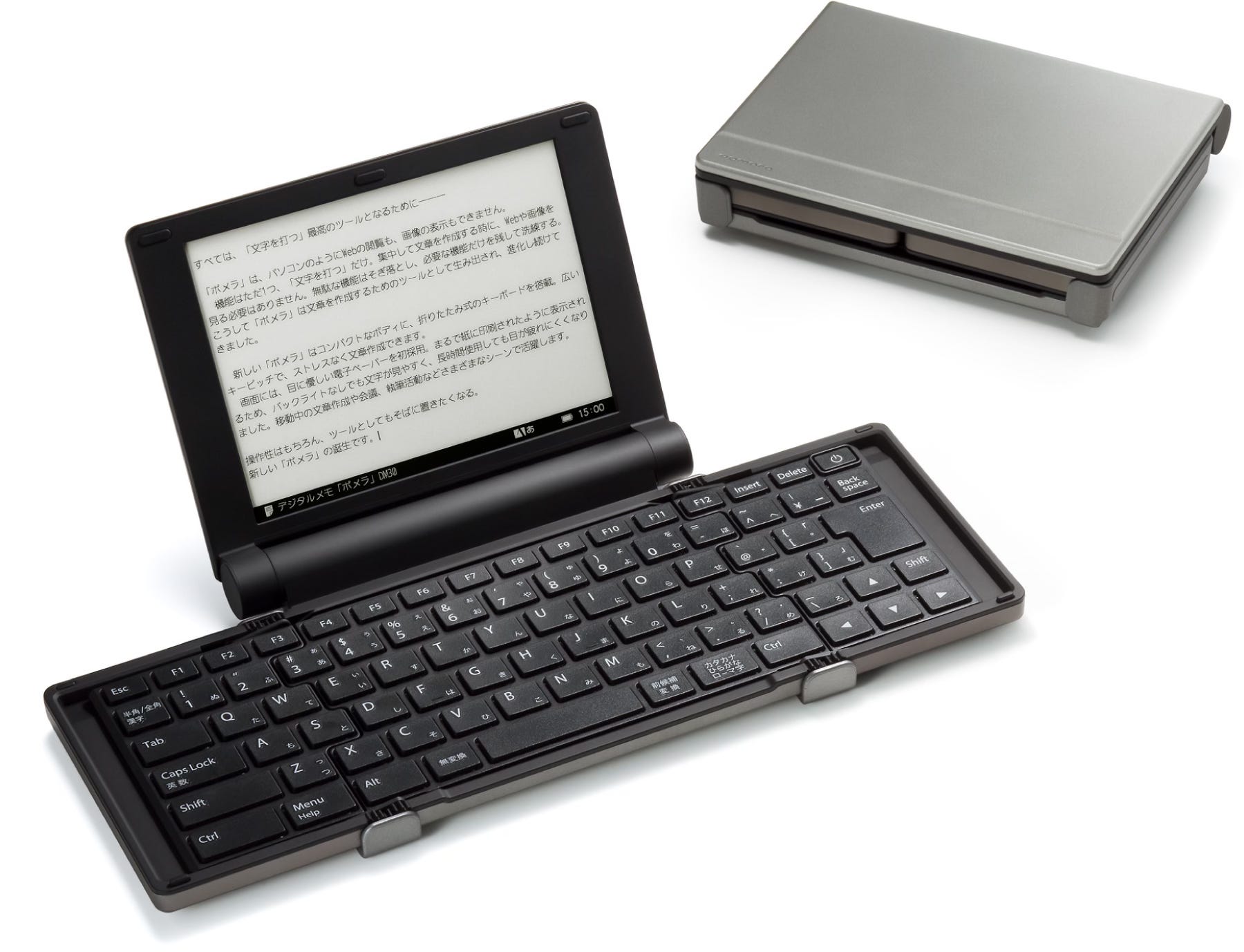
There’s a growing interest in single-use devices like these. People are switching to “dumbphones” that just call and text. Others are tracking down obscure gadgets like the King Jim Pomera, a foldable eInk typewriter mostly sold in Japan. It’s a little clunky—the Romanji characters are rendered in single-pixel bitmap fonts—but it’s charming in its simplicity. Ugly, even. But also completely free of distraction. And somehow, that’s incredibly refreshing.
I even tried the Daylight Tablet, a sleek, sunlight-readable device with a high-speed reflective display. It looked great on paper, but it didn’t quite work for me. Still, I love that products like this are being built for focus and clarity instead of more and more features.

After years of chasing productivity apps, I realized something: the only tools that have truly lasted are paper and plain text. So I built my own system based on LogSeq—an interactive text file styled with custom CSS. No special software, no subscriptions. Just clean, portable, distraction-free structure. It lives on any device and does everything I need.
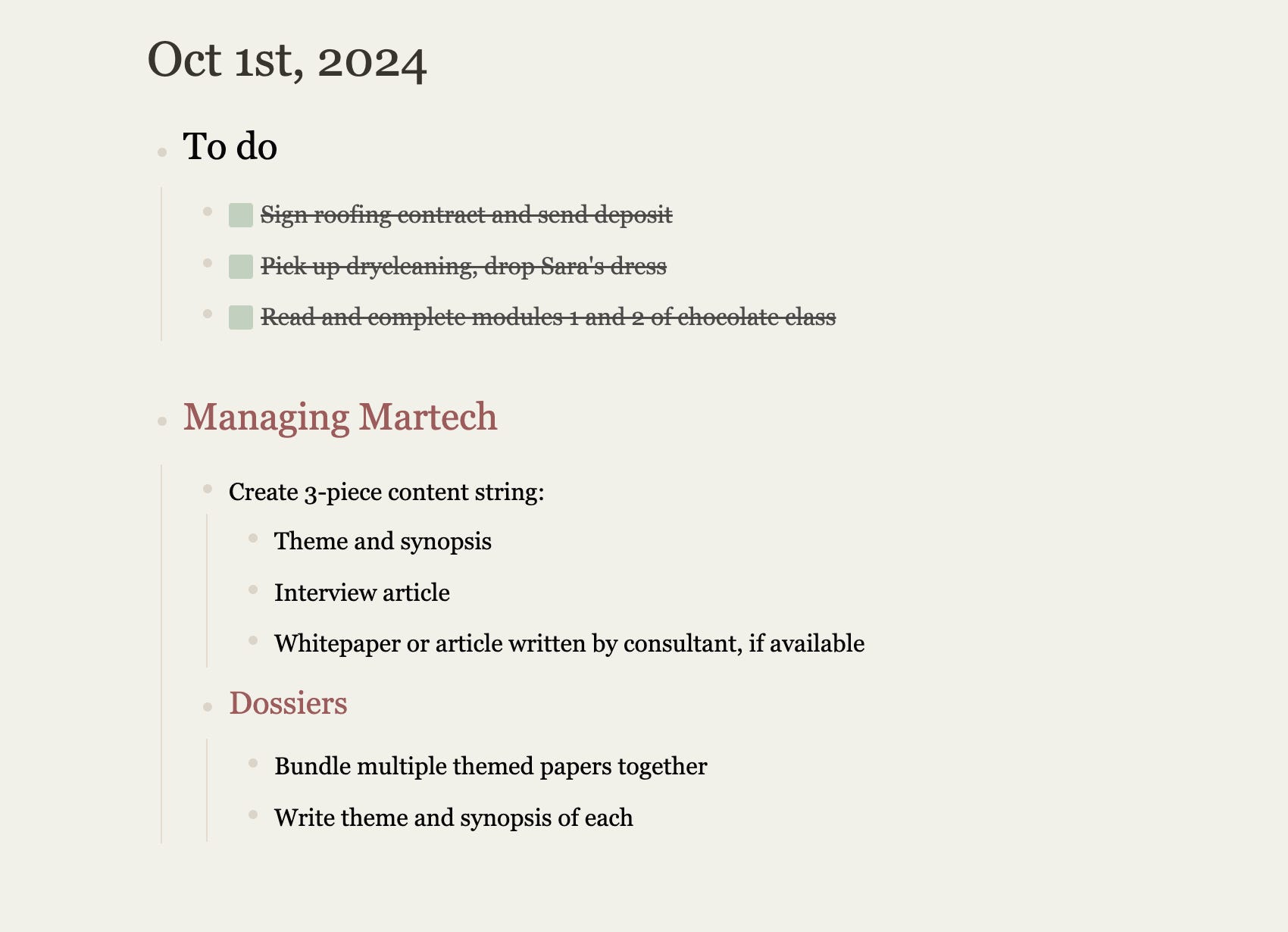
This is what calm computing looks like to me – not silent, not passive, just quiet enough to let your mind breathe.
I think we’ll start to see more devices like this—ones designed to enhance your work, not pull your attention somewhere else. Not everything needs to do everything. Sometimes, less really is more.
Noise is everywhere. Calm is the upgrade.
Bill Anderson is Global Practice Lead for Revenue Orchestration at Slalom Consulting. This post originally appeared on andersoncreative.com.